Download oobit app to pay with crypto everywhere.

Scan the QR code to download the app





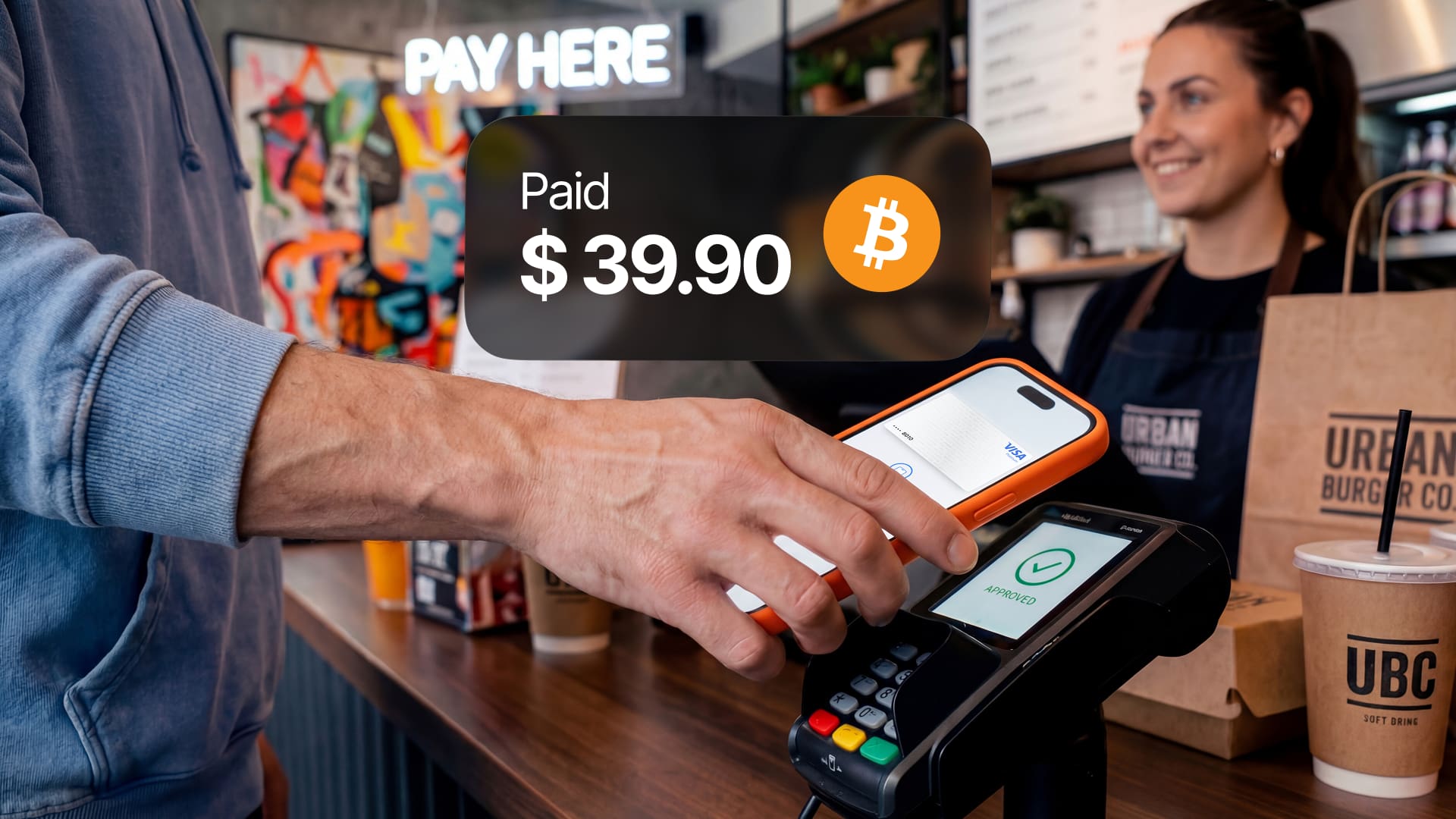
Crypto has come a long way from being a niche internet experiment. Today, millions of people hold digital assets, but most of them are doing one thing with it: waiting. Holding crypto and watching the price is fine, but it barely scratches the surface of what you can actually do with it.
Whether you have a few hundred dollars in Bitcoin or a diversified portfolio of altcoins and stablecoins, there are practical, meaningful ways to put your crypto to work. Here are the best ones.
The most frictionless way to use crypto in everyday life is a crypto debit card. These cards convert your crypto to local currency at the point of sale, meaning you can pay at any merchant that accepts Visa or Mastercard, from your morning coffee to online shopping, without the merchant ever needing to know or care about crypto.
Crypto cards have matured significantly. The best ones offer:
This is where you can pay with crypto in stores and online, same as a debit card.
If you're comparing options, Oobit is a strong pick for the Best Crypto Card: no fees on everyday spending, instant conversion, and support for stablecoins alongside Bitcoin and Ethereum.
For people in countries with volatile local currencies, this is especially powerful. Holding savings in USDC and spending via a crypto card means you sidestep local inflation while still being able to buy things in your everyday environment.
Traditional international transfers are slow and expensive. Wire transfers through banks can take three to five business days and charge flat fees plus a spread on the exchange rate. Even dedicated remittance services eat into the amount that arrives.
Crypto solves this structurally. Sending USDC or USDT to someone in another country settles in seconds or minutes, not days. The recipient gets the full amount minus a small on-chain fee, not a percentage of the transfer taken by an intermediary.
This use case is already mainstream in corridors like the US to Latin America, Europe to Africa, and across Southeast Asia. For families supporting relatives abroad or freelancers getting paid across borders, stablecoin transfers are genuinely one of the most practical financial innovations of the past decade.
If you are holding stablecoins, you can earn yield on them. Several platforms offer interest on USDC and USDT deposits, with rates that are often meaningfully higher than what a traditional savings account offers.
Yield opportunities fall into a few categories:
Rates vary widely and fluctuate with market conditions. DeFi yields can be higher but come with smart contract risk. For most people, a custodied yield product through a reputable platform offers the best balance of return and simplicity.
The key insight: holding stablecoins in a wallet that pays zero while yields are available elsewhere is an opportunity cost that is easy to address.
A growing number of online services accept crypto directly, including VPNs, cloud hosting providers, domain registrars, and creative platforms. For people who want to maintain privacy in their digital spending or simply prefer crypto as a payment rail, this is a practical option.
Beyond native crypto payments, crypto cards make this work everywhere else. Any subscription billed to a card can be funded from a crypto balance, no manual conversion needed.
In countries where the local currency has depreciated significantly, people have shifted to holding USD-denominated stablecoins as a store of value. This is one of the clearest real-world use cases for crypto.
In Argentina, Venezuela, Turkey, Nigeria, and similar markets, holding USDC is functionally the same as holding US dollars without needing a US bank account. People can receive payments in stablecoins, save in them, and spend via a crypto card or local exchange. This bypasses capital controls and provides access to a stable currency that was previously unavailable without a foreign bank relationship.
Dollar-cost averaging (DCA) into Bitcoin or Ethereum is one of the most consistently recommended strategies for retail investors. Rather than trying to time the market, you buy a fixed amount at regular intervals, reducing the impact of volatility on your average entry price.
Most crypto apps support recurring purchases. Setting up a weekly or monthly buy into Bitcoin means you are building a position systematically without needing to watch charts. Over multi-year horizons, DCA into BTC has historically resulted in significant gains for investors who held through volatility.
For freelancers, contractors, and small business owners, accepting and spending crypto has practical advantages. Receiving payment in USDC eliminates chargeback risk that affects card-based transactions. Paying contractors in other countries via stablecoin is faster and cheaper than a wire transfer.
Business crypto cards let companies allocate a budget in crypto and have employees spend it with a physical card, keeping expenses in the crypto ecosystem without requiring each transaction to go through a bank.
Decentralized finance has matured into a legitimate ecosystem for financial services. If you hold crypto, you can access:
DeFi requires more technical knowledge than using a centralized app and carries risks including smart contract vulnerabilities and liquidation if collateral value drops. But for experienced users, it offers a level of financial autonomy and yield opportunity that is not available through traditional finance.
If you hold Bitcoin or Ethereum and need liquidity but do not want to sell and trigger a taxable event, a crypto-backed loan lets you borrow against your holdings. You put up your crypto as collateral and receive a cash or stablecoin loan in return.
This is useful when you have an illiquid position and a short-term need for funds. The tradeoff is that if your collateral drops in value significantly, you may face a margin call.
Crypto has become a meaningful tool for charitable giving. Several major nonprofits now accept Bitcoin and Ethereum directly. For donors with appreciated crypto holdings, giving crypto directly can be more tax-efficient than converting to cash first and donating that. The donor avoids capital gains on the appreciated asset while still receiving the full charitable deduction.
If you are new to actually using crypto rather than just holding it, the clearest entry point is a crypto card. It requires no DeFi knowledge, no bridging between blockchains, and no manual conversion. You load your card with crypto, and you spend. Everything else, the yield strategies, DCA, DeFi, can come later as you get comfortable.
The goal is to move from holding crypto to using it. The tools to do that are better than they have ever been.








_2026-10-18_12-04-12.png)
_2026-10-06_13-48-20.png)
_2026-10-05_06-22-13.png)
%202.svg)