
Back
Oobit
October 20, 2026
•
5
min read
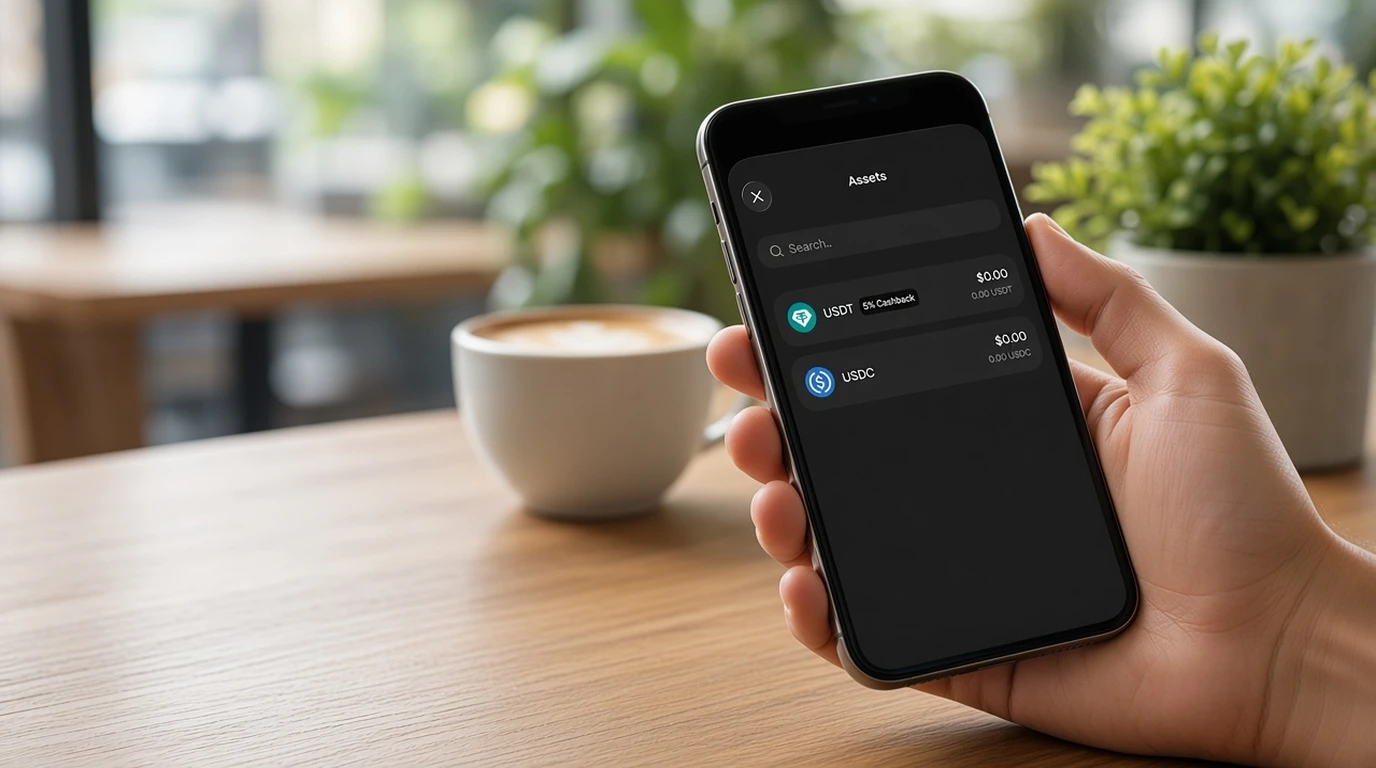
Table of contents
How to Spend USDC or USDT With Oobit
Which stablecoin has lower fees?
Can I spend USDT or USDC like regular money?
Which is better for sending money abroad?
✓
USDC and USDT are both dollar stablecoins built to stay worth $1. The main differences are who issues them, how they report reserves and where they are used most. USDT, issued by Tether, is the largest stablecoin and leads in trading and cross-border transfers. USDC, issued by Circle, is known for frequent reserve reports and strong US adoption.
USDT launched in 2014 and is issued by Tether. It is the most widely traded stablecoin in the world and the default dollar on many exchanges. It is especially popular for transfers in Latin America, Africa and Asia, where people use it as a digital dollar.
USDC launched in 2018 and is issued by Circle. It is smaller than USDT but widely integrated into US exchanges, payment apps and onchain finance. Circle positions USDC around transparency and compliance.
Both issuers say every token is matched by reserves such as cash and short-term US Treasury bills. The difference is reporting. Circle publishes monthly attestations from an independent accounting firm. Tether publishes quarterly attestations. Neither is a bank deposit, and neither is insured like one.
Approved partners, mostly exchanges and institutions, can create new tokens by sending dollars to the issuer and redeem tokens for dollars. When the price drifts above or below $1, these partners profit from closing the gap, which pulls the price back. Most individuals never redeem directly. They buy and sell through exchanges or apps instead.
Both coins have held close to $1 most of the time. USDT dipped to around $0.95 in May 2022 during the Terra collapse. USDC fell to around $0.87 in March 2023 when part of its reserves sat at Silicon Valley Bank. Both recovered within days.
USDT and USDC each run on several blockchains, and the network decides your fee and speed. Low-cost networks like Tron, Solana and Base are cheap for small transfers. Ethereum is often more expensive. Always send on the same network the receiving wallet or app supports.
Many holders keep some of each and use whichever their counterparty prefers.
Oobit supports both USDT and USDC, depending on your location. Your balance funds the Oobit card, which works anywhere Visa is accepted. Pay online with your card details, or add the card to Apple Pay or Google Pay and tap in store. The merchant receives local currency. For a step-by-step walkthrough, see how to pay with USDT.
Card purchases have a 1% fee. Contactless ATM withdrawals have a 2.5% fee. Oobit is available in 80+ countries.
Neither is strictly better. USDC offers more frequent reserve reporting. USDT offers more liquidity and wider use in global transfers. Pick the one that fits how you use stablecoins.
Both target $1, so they usually trade very close to 1:1. Small differences can appear on exchanges, and swaps may include fees or spreads.
No stablecoin is risk-free. USDC is generally considered transparent, but it briefly lost its peg in 2023. Risks include reserve, issuer and smart contract risk.
USDT has kept close to $1 through several market crises and is the most used stablecoin. Like any stablecoin, it carries issuer and reserve risk, so only hold what you are comfortable with.
Yes. Most exchanges and many wallet apps let you swap between them. Check the rate, the fee and the network before you confirm.
Fees depend on the network, not the coin. USDT on Tron and USDC on Solana or Base are usually cheaper than either coin on Ethereum.
Yes, with a crypto card. The Oobit card lets you spend USDT or USDC anywhere Visa is accepted, online or with Apple Pay and Google Pay. Card purchases have a 1% fee.
USDT is more widely used for cross-border transfers, especially in emerging markets. USDC works well too if the recipient's app supports it. Confirm the network before sending.
USDC and USDT do the same core job: a digital dollar you can hold, send and spend. USDT leads on liquidity and global reach, while USDC leads on reporting frequency. For everyday spending, the tool matters more than the coin, and with Oobit you can spend either one anywhere Visa is accepted.
Latest articles
USDC vs USDT: Key Differences and Which One to Use
October 20, 2026
•
5
min read

How to Buy Steam Gift Cards With Crypto in 2026
October 17, 2026
•
6
min read

GTA 6 for Free? Price, Scams, and How to Get Up to 10% Off with Crypto
October 6, 2026
•
6
min read
Open your treasury, hold dollars, and start paying the world.
Abre tu tesorería, guarda dólares y empieza a pagarle al mundo.
Abra seu tesouro, guarde dólares e comece a pagar o mundo.
Scan the QR code to download the app
If you're excited by the future of money, we'd love to hear from you.

The People's Money.
Pay with Oobit
Crypto CardAI PaymentsLocal QR PaymentsATM WithdrawalsCrypto Cashback Oobit DePay
Pay with BitcoinPay with OOBPay with USDTPay with EthereumPay with SolanaStablecoin
Send Money
Send Crypto to BankSend Money InternationallySend Money to the USASend Money to BrazilSend Money to ArgentinaSend Money to the UAE
Oobit For Business
Global USDPay International ContractorsCorporate CardStablecoin Expense Management
Company
NewsAboutCareersBlogResearchPrivacy NoticeTerms of UseFAQs
Oobit Technologies 2026. © All rights reserved.
Oobit provides technology that enables users to spend digital assets through existing payment networks. Services are subject to regional availability and regulatory requirements. Oobit operates through multiple entities globally. Certain features may be provided by licensed partners depending on your location.
US Cryptocurrency services are provided in partnership with Bakkt Financial Solutions I, LLC. Bakkt is registered with FinCEN as a Money Services Business (MSB) and holds state money transmitter licenses.