








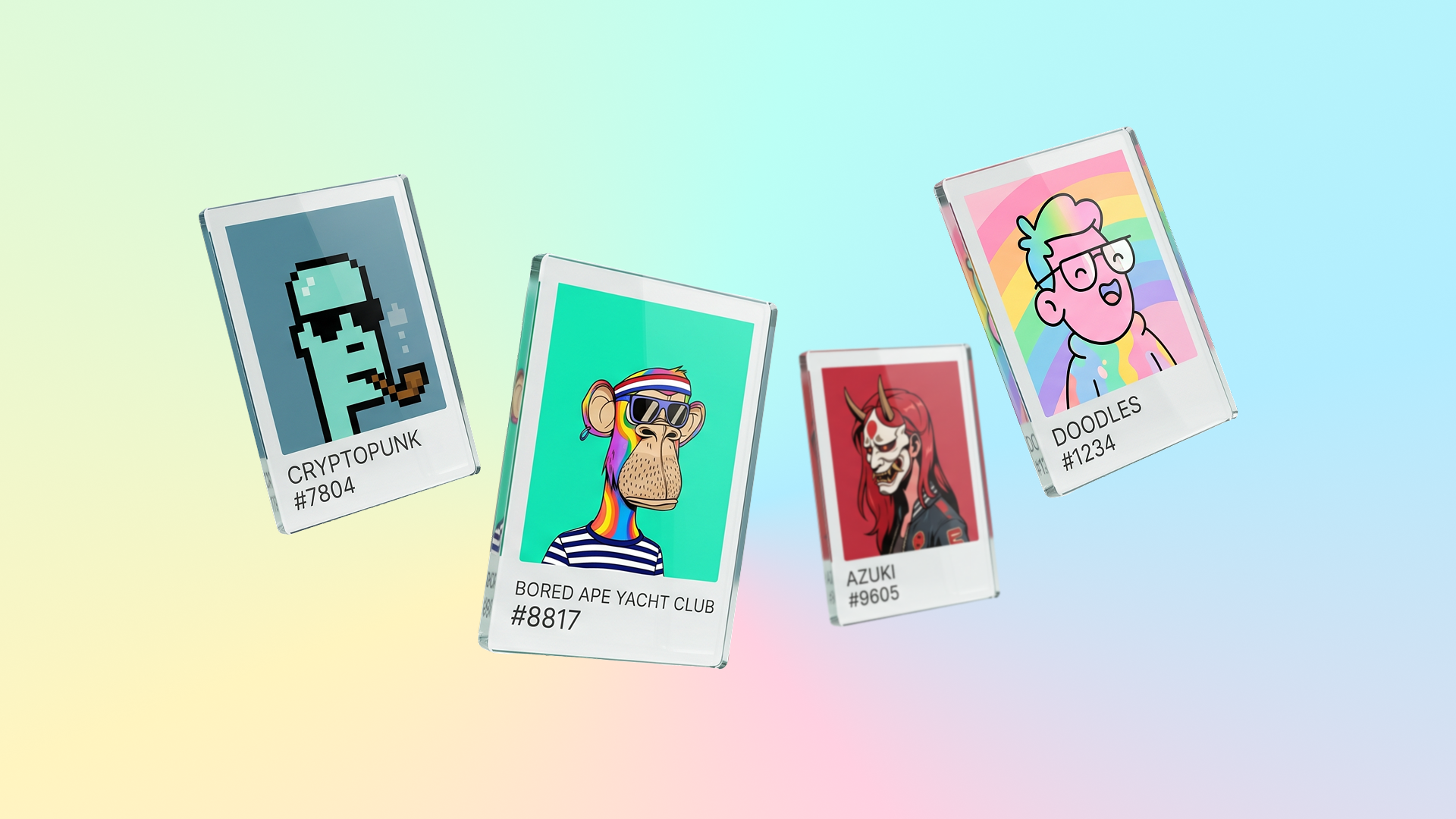


The art world has never been short of controversy, but few developments have sparked as much debate, excitement, and disruption as the rise of non-fungible tokens. In the space of just a few years, NFTs have gone from a niche curiosity to a force reshaping how art is created, sold, and owned.
What NFTs Actually Do for Artists
At their core, NFTs solve a problem that has plagued digital artists for decades: the inability to prove scarcity or ownership of a digital file. Anyone can screenshot a JPEG, but an NFT minted on the blockchain creates a verifiable record of authenticity and ownership. For digital artists, this was transformative. Suddenly, work that existed only on screens had the same kind of provenance and collectability as a physical canvas.
Beyond ownership, NFTs introduced a mechanism that the traditional art market had long resisted: royalties. Smart contracts can be programmed to return a percentage, typically 5 to 10 percent, to the original artist every time the work is resold. For artists who historically watched their early pieces sell for millions at auction without seeing a cent of the secondary market, this was a genuine structural shift.
The Market Boom and What It Revealed
The period between 2020 and 2022 saw NFT sales reach extraordinary heights. Beeple's Everydays: The First 5000 Days sold at Christie's for $69 million in March 2021, placing him among the three most valuable living artists by auction price overnight. Platforms like OpenSea, Foundation, and SuperRare became the new galleries, processing billions in volume.
What this boom revealed was a massive, previously underserved audience of digital-native collectors: people who had grown up online, understood crypto, and were eager to participate in art collecting on their own terms. Traditional auction houses and galleries took notice quickly.
Democratization - Real and Overstated
One of the most repeated claims about NFTs is that they democratize art. There is something to this. An emerging digital artist in São Paulo or Lagos no longer needs a gallery relationship in New York or London to reach serious collectors. Platforms are global, permissionless, and open around the clock.
But the democratization narrative has limits. Gas fees on Ethereum during peak periods priced out smaller artists. The market proved highly speculative, with many collectors buying primarily to flip rather than to support artists long-term. And when crypto markets collapsed, NFT trading volumes fell sharply, leaving many artists who had bet on the space without the audience they had anticipated.
Spending Crypto in the Real World
As NFT collectors accumulated significant crypto holdings, a practical question emerged: what do you actually do with it outside of trading? For a growing number of people in this space, having a crypto card has become part of the answer. These Visa-enabled cards allow holders to spend Bitcoin, USDT, and other cryptocurrencies directly at merchants worldwide, converting crypto to fiat at the point of sale. For collectors who hold substantial digital asset portfolios, including NFTs and the crypto used to buy them, having a card that bridges on-chain wealth to everyday spending is a natural extension of living in this ecosystem. It closes the loop between digital ownership and real-world utility.
What Survived the Crash
The speculative froth of 2021 is largely gone, and that has arguably been clarifying. What remains is a smaller, more serious ecosystem of collectors, artists, and platforms genuinely committed to the technology.
Artists like Tyler Hobbs and Dmitri Cherniak have used generative NFT projects, algorithmically created works, to push the boundaries of what computational art can be and how it can be collected. Institutions including the Centre Pompidou and MoMA have added NFTs to their permanent collections. And the royalty and provenance infrastructure that NFTs introduced continues to influence conversations about how the broader art market should handle digital work.
The Tension with the Traditional Art World
Legacy galleries and auction houses have had an uneasy relationship with NFTs. Some embraced the technology early for the revenue opportunity; others dismissed it as a bubble. The deeper tension is structural. NFTs enable artists to sell directly to collectors, bypassing the gallerists and intermediaries who have traditionally controlled access, pricing, and careers.
This disintermediation is not total. Curators, platforms, and communities still shape which artists gain visibility. But it is real enough to make established players nervous. The question is not whether digital art belongs in the canon; that debate is largely settled. The question is who controls the infrastructure around it.
Where Things Stand
NFTs have not replaced the art world. What they have done is carve out a durable parallel market with its own rules, aesthetics, collectors, and economics. For digital artists specifically, the shift has been meaningful in ways that will not reverse even if the technology evolves or the platforms change.
The provenance problem for digital art is solved. The royalty model is proven. And a generation of collectors now thinks about owning art in ways that did not exist a decade ago. Whether NFTs continue under that name or get absorbed into broader digital ownership frameworks, the underlying changes they introduced to the art world are here to stay.