Download oobit app to pay with crypto everywhere.

Scan the QR code to download the app





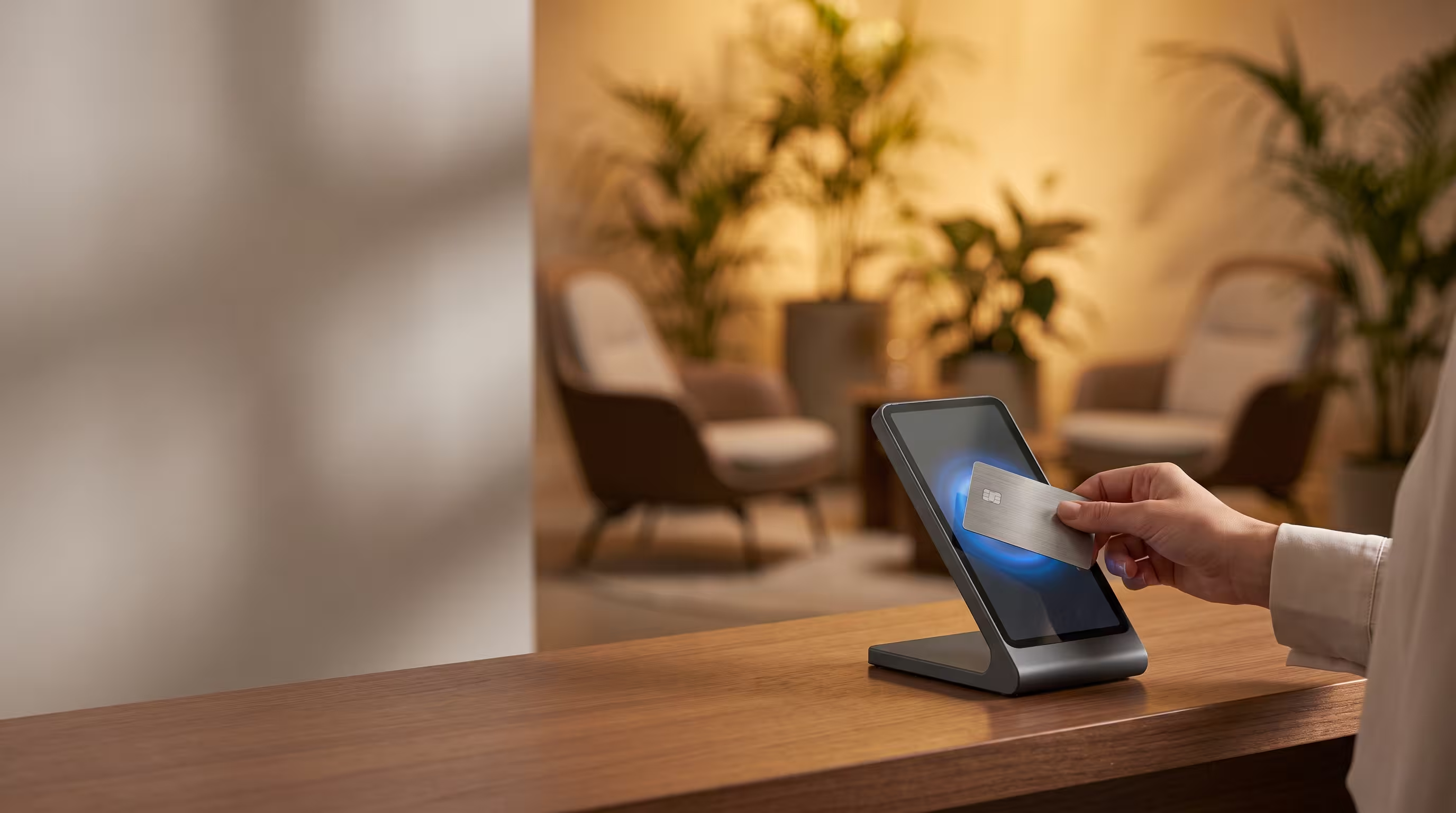
The first option is a dedicated crypto travel platform, a booking site that accepts crypto directly and converts it to pay the hotel in fiat behind the scenes. The second option is simpler: pay with a crypto debit card at any hotel or booking site that already accepts Visa or Mastercard, which covers a far larger slice of global inventory.
A handful of travel booking sites let you pay directly in Bitcoin, Ethereum, or stablecoins at checkout. These platforms typically lock in a fiat-equivalent price for a short window, then settle with the hotel in local currency once your payment clears. The tradeoff is a smaller selection of properties compared to mainstream booking sites, since not every hotel chain has signed up for direct crypto settlement.
A card linked to a multi-currency crypto wallet works at any hotel that accepts contactless or chip-and-PIN cards, which is effectively all of them. You book on whatever site has the best rate, whether that is the hotel's own page or a mainstream aggregator, and the card converts your crypto balance to the local currency automatically at the moment of payment. This removes the platform-selection tradeoff entirely.
Booking a hotel often means committing to a price weeks or months in advance. If that balance is held in a volatile asset, a market swing between booking and check-in can change what the trip actually costs you. Holding the travel portion of your balance in a stablecoin like USDT keeps the number stable regardless of what the broader market does, which is one reason paying directly with USDT has become a common pattern for travel-specific spending.
Sites like Travala, BitPay's travel directory, CryptoRefills, and LockTrip built their businesses around letting you book directly in crypto. They work well when the property you want happens to be listed, but the tradeoff is inventory, you are choosing from whatever that specific platform has partnered with rather than from every hotel available on the open market. A crypto-funded card sidesteps that tradeoff entirely, since it works on any booking site, including the hotel's own direct booking page.
A few practical points before you book: dedicated crypto travel platforms may require identity verification similar to an exchange, cancellation and refund policies can be slower when a crypto conversion is involved, and currency conversion fees vary by provider, so it is worth checking the effective exchange rate rather than assuming it matches the market price exactly.
Oobit combines a multi-currency wallet with a card that works anywhere contactless payments are accepted, hotels included, with conversion to local currency handled automatically at the moment of payment. That means booking a hotel with crypto does not require finding a specialized platform first, you can use the Oobit crypto card on whatever booking site already has the room and rate you want.
Yes. A card linked to a multi-currency crypto wallet works the same way as any other debit card at hotels, on booking sites, and anywhere contactless payments are accepted, since the conversion from crypto to fiat happens automatically at the moment of payment.
No. Dedicated platforms like Travala are one option, but a crypto-funded card lets you book on any site, including the hotel's own page, without being limited to one platform's partnered inventory.
For the booking amount itself, generally yes. Stablecoins hold a steady fiat-equivalent value between booking and check-in, while paying with a volatile asset like Bitcoin means the effective cost of your trip can shift with the market in the meantime.
Booking a hotel with crypto no longer means limiting yourself to a handful of crypto-native travel sites. A card that converts crypto to fiat at the point of payment opens up any hotel that accepts cards, which is nearly all of them, while stablecoins keep your travel budget stable between booking and arrival.








_2026-10-06_13-48-20.png)
_2026-10-05_06-22-13.png)
_2026-09-28_13-19-05.png)
%202.svg)