Baixe o aplicativo Oobit para pagar com cripto em qualquer lugar.
Escaneie o código QR para baixar o aplicativo






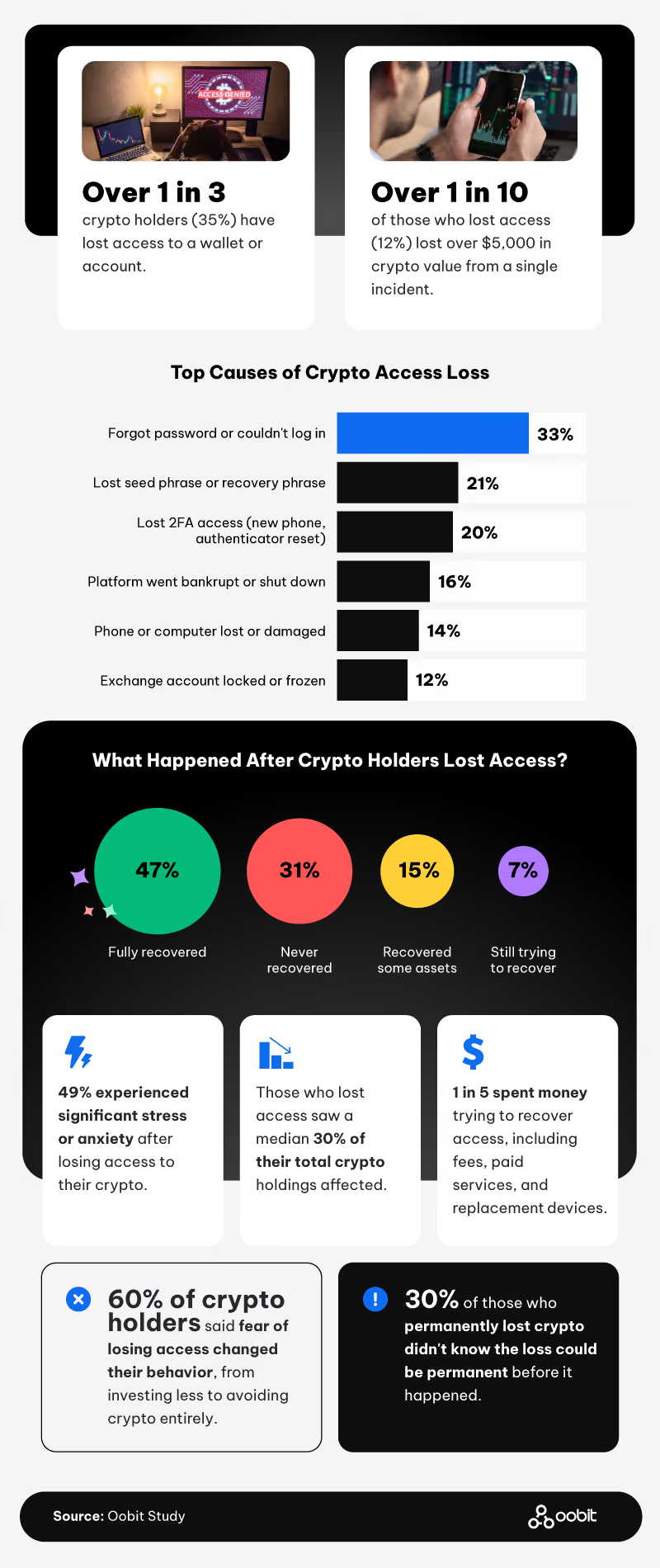
Losing access to your crypto is more common than many people think. A forgotten password, a misplaced seed phrase, or a locked account can quickly turn into a stressful situation, especially when there is no clear recovery path.
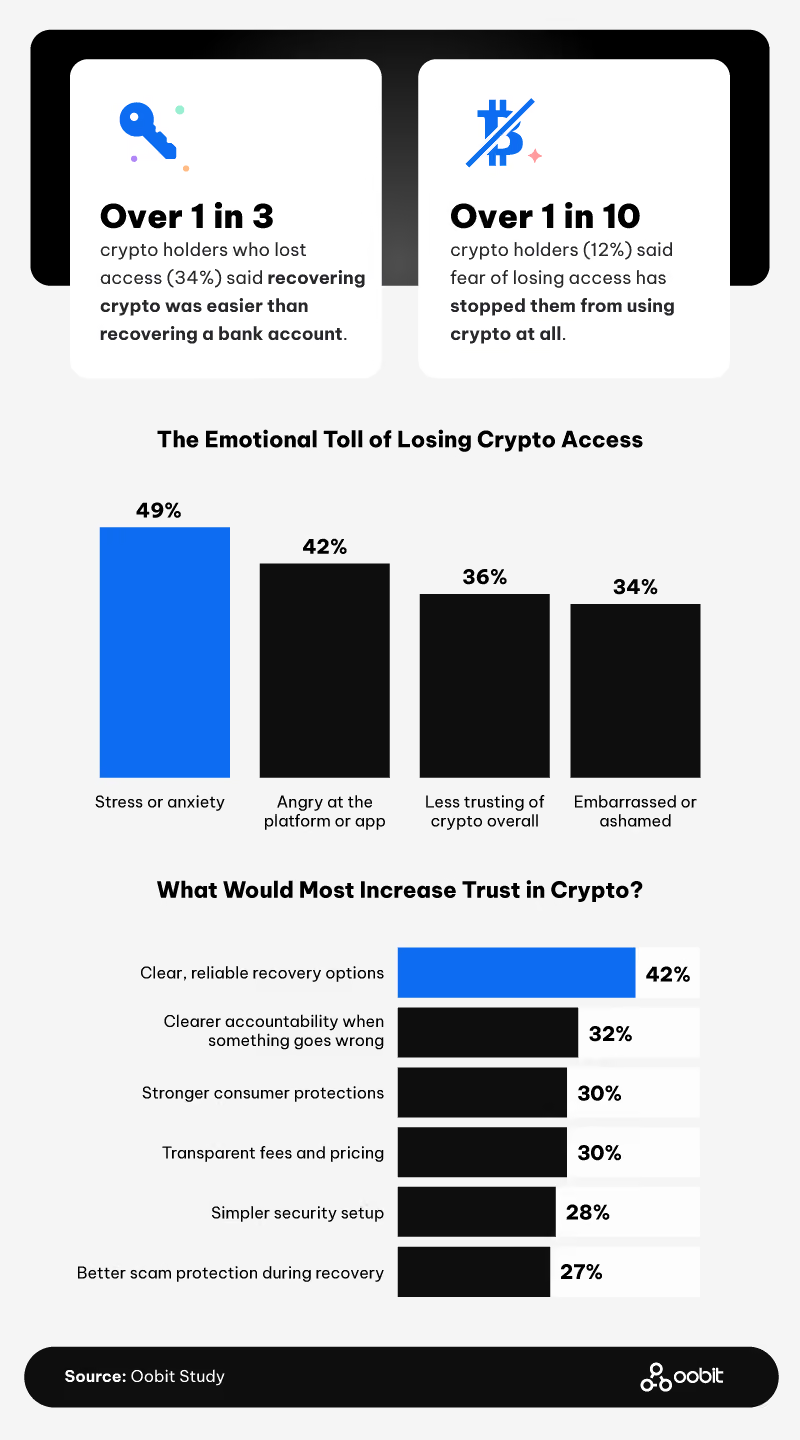
To understand how often this happens and what it means for everyday users, Oobit surveyed 1,000 U.S.-based crypto holders about their experiences. Here's what they shared about wallet lockouts, recovery attempts, and whether they were able to get their assets back.
Top 5 coins held by those who permanently lost access were:
Top peace-of-mind measures for not losing access to crypto:
The data makes one thing clear: most crypto lockouts are preventable. Forgotten passwords, lost seed phrases, and broken 2FA chains account for the majority of access loss incidents, and all of them can be mitigated with the right habits in place.
"The biggest mistake people make isn't choosing the wrong wallet. It's assuming they'll remember how to get back in. A few minutes of preparation today can be the difference between recovering your assets and losing them permanently."
Amram Adar, CEO, Oobit
Write down your seed phrase and store it somewhere safe.
Your seed phrase is your ultimate recovery tool, but only 25% of holders store one on paper. Write it down, keep it in a secure physical location, and never store it digitally or share it with anyone.
Back up your 2FA.
Lost 2FA access caused 20% of lockouts in our survey. Save your backup codes when you set up two-factor authentication so that a new phone or reset app doesn't leave you permanently locked out.
Use a password manager.
Forgotten passwords were the single biggest cause of lost access at 33%. A password manager removes the guesswork and keeps your login credentials secure and accessible.
Test your recovery process.
Only 15% of holders have ever verified their backups actually work. Try restoring a wallet before you need to. It takes minutes and could save everything.
Don't keep all your crypto in one place.
Nearly half of all access losses happened in self-custody wallets. Spreading your holdings across wallet types lowers the risk of a single lockout costing you everything. Send Crypto, to your bank account or another person for safety.
Oobit surveyed 1,000 Americans who currently hold cryptocurrency and/or NFTs about their experiences losing access to wallets and accounts, including causes, recovery outcomes, emotional impact, and trust-building measures. The survey was conducted via CloudResearch Connect.
Respondents were 66% men, 34% women, and 1% non-binary. Generational breakdown was 58% millennials, 19% Gen X, 19% Gen Z, and 4% baby boomers. As with all survey data, responses are self-reported and may be subject to recall or social desirability bias. Percentages that do not total 100% are due to rounding.
Oobit is a crypto caard and payments platform that lets users spend digital assets in everyday life with ease. With the Oobit crypto card and wallet-linked app, you can use Bitcoin, stablecoins, and other tokens anywhere Visa is accepted, both in stores and online, or via AI agent credit card integrations for autonomous, programmable payments. Oobit is built to make spending crypto more practical, accessible, and secure for everyday use by connecting your wallet to real-world payment systems.
This content may be shared for noncommercial purposes only. If you reference these findings, please provide proper attribution to Oobit with a link back to the original source.





%202.svg)